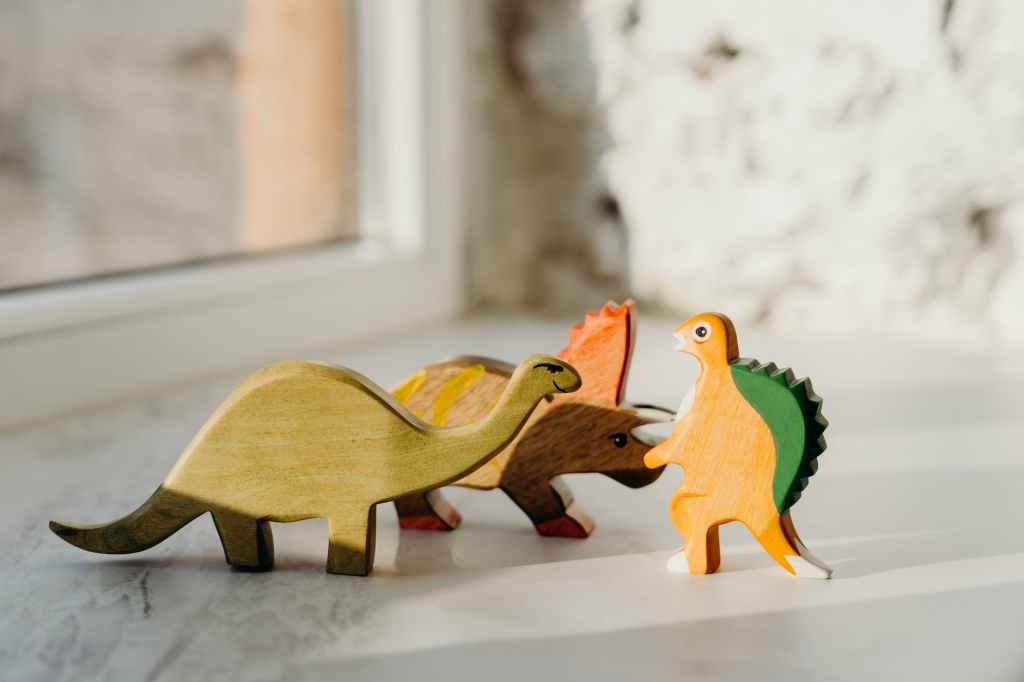
When we talk about play, we are mostly talking about unstructured time where learners get to direct what they want to do and how they want to do it. These activities have minimal adult support or plans, boundaries, and rules. Free play opens up opportunities to pretend and use their imaginations.
Play-based learning unifies play and learning pedagogies. It is child-centered and focuses on children’s development, interests, and abilities through engaging and developmentally appropriate structuring of learning experiences guided by the adults.
Play-based learning is evidence-based. Research has shown that it:
- increases language and communication skills, such as requesting and negotiation
- builds social skills such as sharing and collaboration
- promotes emotional growth such as self-awareness and self-regulation
- supports cognitive development, such as planning and problem-solving
- develops gross and fine motor skills
There could be different levels of guidance and facilitation in play-based learning:
Inquiry Play
Inquiry play starts with the learner’s questions. Adults take that interest and use it to integrate learning goals. It might be the most challenging version of play to incorporate into your regular day. It requires you to constantly look for ways to take an interest and turn it into a lesson.
Example: The learner saw a paper plane and was interested in making one. The adult shared how to fold a paper plan to fly the farthest, which led to trial and error and subsequently learning a new science concept.
Collaborative Play
When learners and adults co-create an activity, that is collaborative play. In this type of play, learners and teachers decide the context, theme, and resources needed together. Then, learners direct the play that happens within that space while the adults are in charge of the learning outcomes. The biggest difference between collaborative play and inquiry play is who is in control. Inquiry play emerges out of a learner-directed interest. In collaborative play, students and adults share control.
Example: Lego – The adult and learner work together to determine what they want to build and how they want to build it.
Playful Learning
When the skills you need to teach are more prescriptive than you can achieve through collaborative play, the type of play that works best is playful learning. In this type of play, teachers direct both the learning outcomes as well as the activity, then learners get to extend the play to include things that sound fun to them.
Example: Gardening – The adult sets up a container with soil and plant seeds with the learner, discuss how plants grow, and document changes using observation. drawings and charts.
Learning Through Games
When you have skills you need to teach and you find a way to make a game out of it, that’s called learning through games. This is the most prescriptive of the play-based learning types and may be the most common example used.
Example: Intuitive learning apps with fun activities that explain what numbers are and how they work.
Play-based learning encourages children to be curious and explore. It nurtures motivated and joyful learners. No matter how you incorporate opportunities for the learners to play, whether it’s child-directed, adult-directed, or somewhere in between, the research is clear: Play supports the development of important skills, and promotes positive experiences and relationships that help them grow into healthy and resilient lifelong learners.
 Light Behavioural Health
Leave a comment